
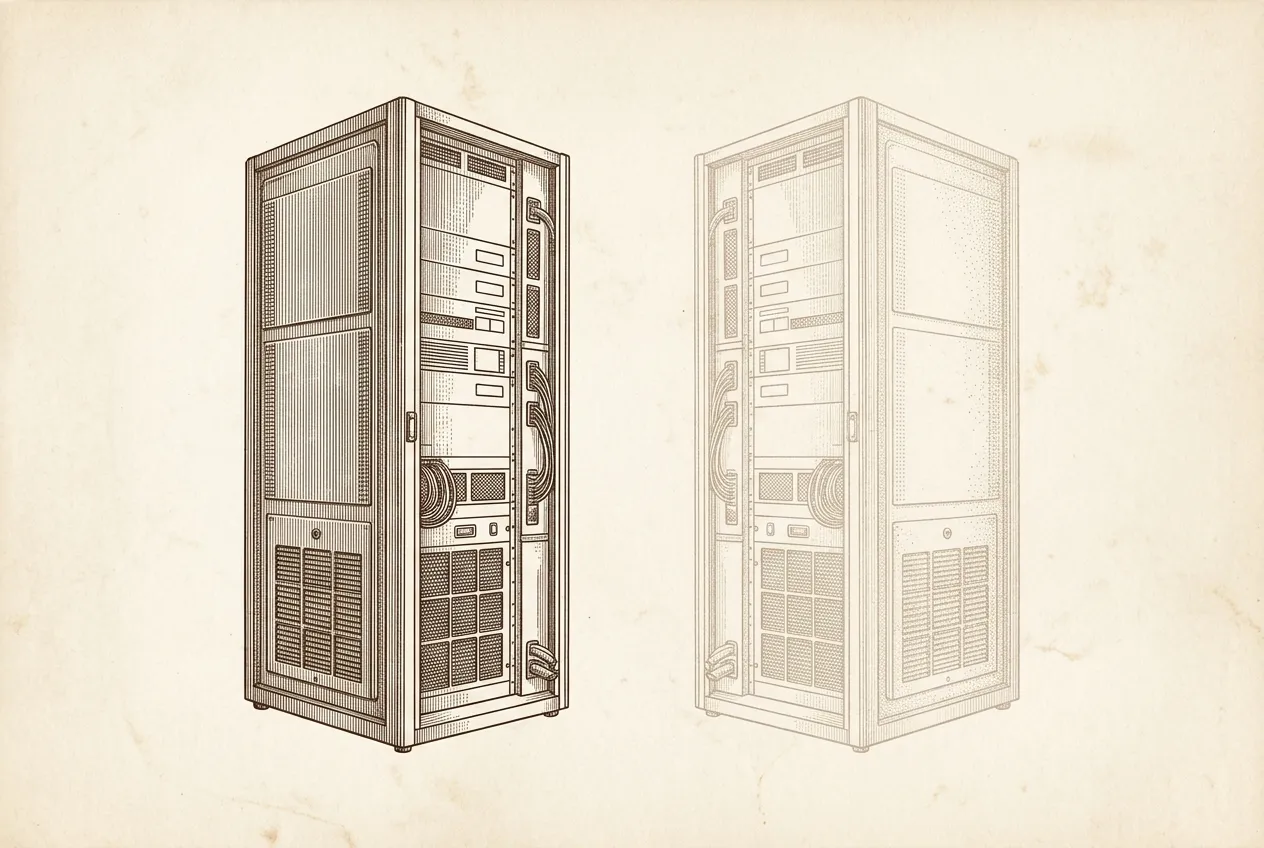
We deliver the same platform to a managed cloud, to enterprise VPCs, to on-prem datacenters, and to air-gapped rooms. The way we keep that from being four products in a trench coat is a discipline we call the synthetic twin: for the private-cloud regime, we run a second, identical stack that contains no customer anything — and our agents get admin on it.
The twin exists because of a hard constraint we refuse to soften: nobody at Athena casually touches a customer’s environment. In the deepest deployments we cannot even see it. That is the point of the architecture — the data plane lives inside the customer’s walls, the control plane connects outbound-only, and in air-gapped mode not at all. But an environment you cannot touch is an environment you cannot debug by hand. So we rebuilt the hand.
The twin is deployed by the same Helm charts, pinned to the same versions, configured through the same paths as a real private-cloud install. When something misbehaves in the field, we reproduce it on the twin — same chart, same versions, synthetic data shaped like the real thing. Our agents run the diagnosis there with full admin: they can read logs, roll versions, break and unbreak the cluster, because there is nothing inside to protect.
What this bought us, concretely:
Upgrades stopped being events. Every release rolls the twin first, operated by agents under chaos conditions we would never inflict on a customer. The release that reaches a customer’s VPC has already survived its own life story once.
“Works in managed cloud” stopped being a caveat. Regime drift — a feature that quietly assumes an outbound network, a writable path, a telemetry endpoint — is the chronic disease of multi-regime software. The twin catches the assumption before an air-gapped customer does.
Support without access became a practiced skill. Walking a customer’s platform team through a fix, using the twin as the shared reference, is a muscle. We exercise it weekly, not during incidents.
The cost is real: we run and maintain an entire second production-grade environment that earns no revenue. It is some of the best money we spend.
— Infra, New York